4. ADA-Accessible & Handwashing Options
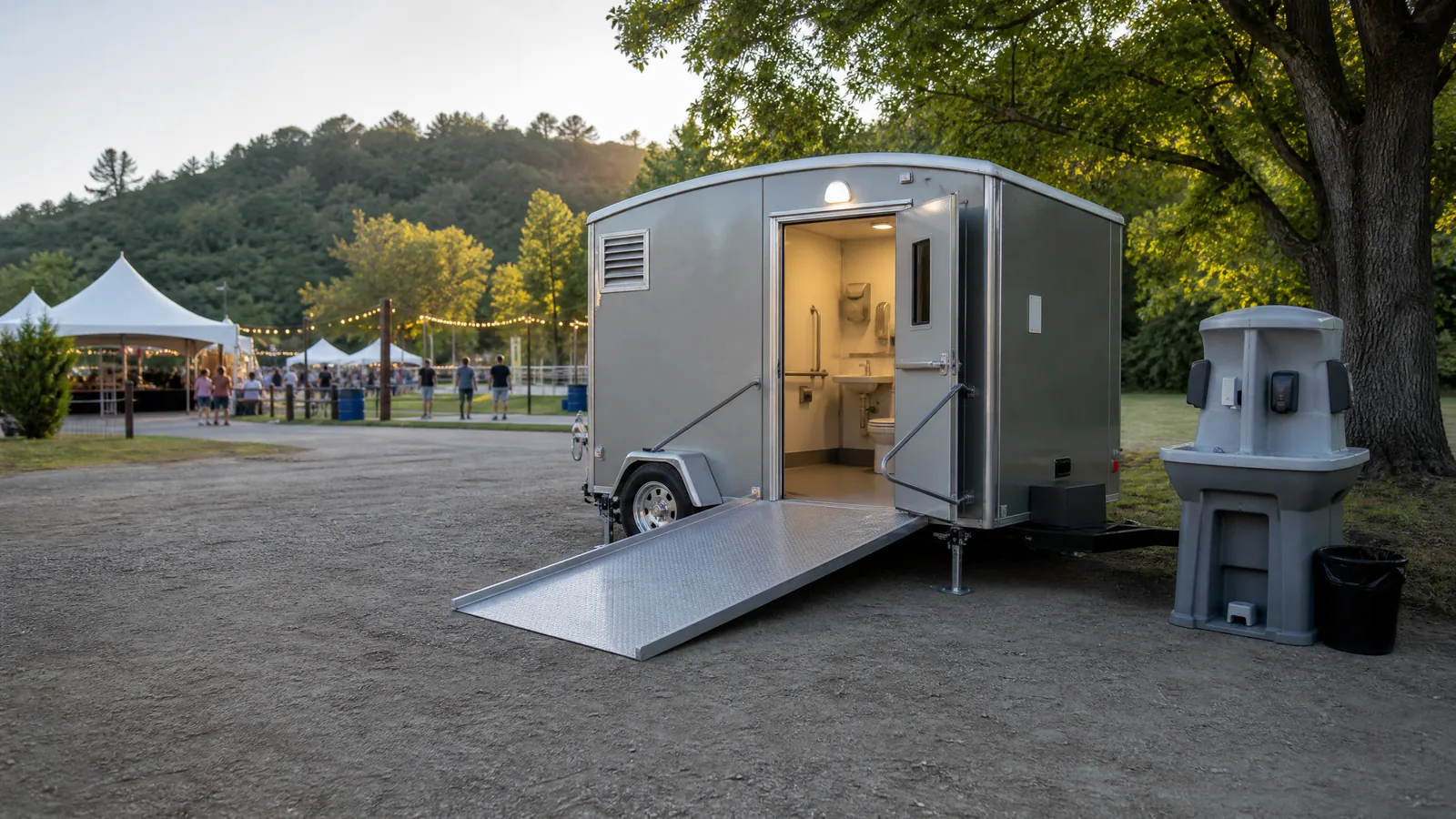
Inclusive temporary sanitation begins before a user reaches the unit. An accessible plan considers the entrance, surface, slope, width, turning space, signage, lighting, and whether the route remains open throughout the event or work phase. A handwashing station adds a separate hygiene need and should be placed where it can be approached and used without blocking circulation.
Map the complete approach
Walk the proposed route from the accessible parking or entrance to the restroom location. Look for gravel transitions, soft ground, steep grades, cords, temporary fencing, puddles, and queue spillover. If the event layout changes, walk it again. The final setup should be reviewed against applicable requirements by the venue, property owner, or responsible authority.
Keep clear space around the unit
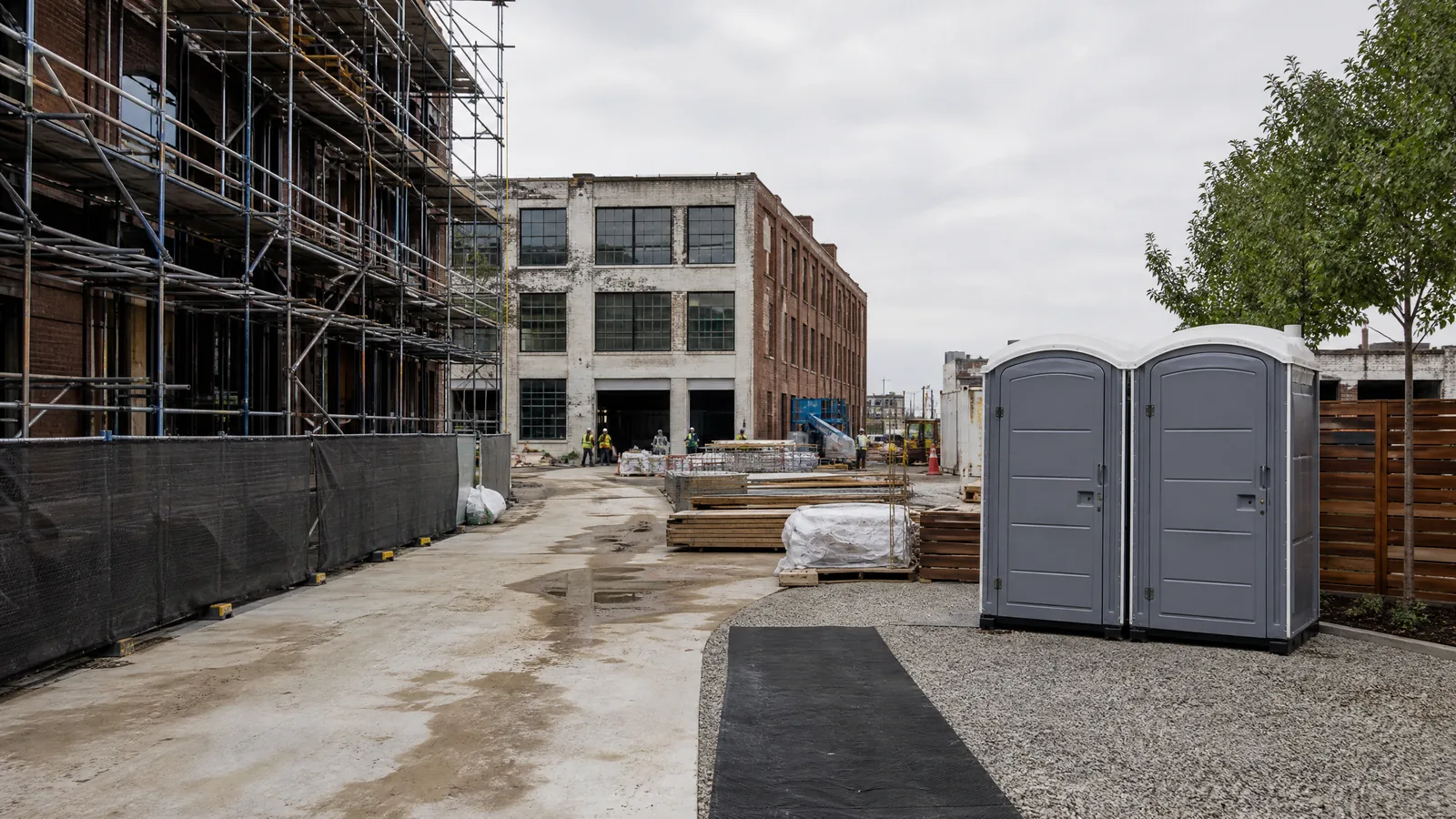
Do not treat the accessible unit as an isolated object. Preserve maneuvering space, keep signs visible, and avoid placing tables, bins, vehicles, or vendor lines in the approach. On a construction site, separate the route from active hazards and equipment traffic.
Add handwashing deliberately
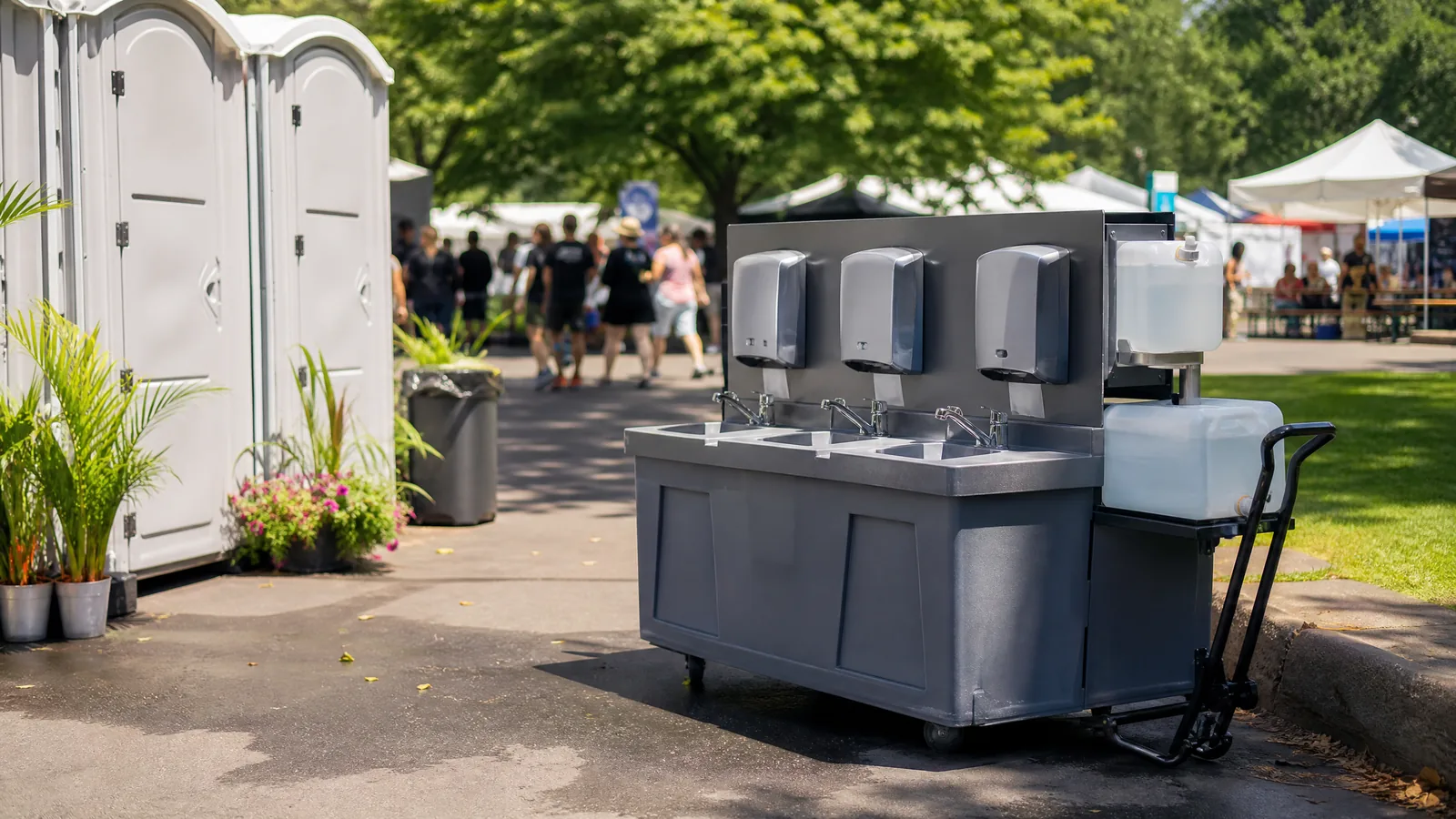
Handwashing should be convenient after restroom use and should not create a pinch point at the exit. Consider whether guests with mobility devices, children, or limited reach can approach it. For food-related events, coordinate the station with the broader food-service layout.
Plan for weather
Rain and snow can make an otherwise suitable route unusable. Central Iowa experiences precipitation throughout the year and has below-freezing winter conditions.[3] Include a surface and access check in the weather contingency plan; consult current local forecast and preparedness resources when appropriate.[4]
Use a clear information brief
Share the route, surface, grade concerns, anticipated users, event or project map, handwashing needs, and any venue requirements. The event guide covers broader guest-flow planning, while the renovation guide addresses temporary indoor-access disruptions.
Accessibility FAQs
Is an accessible unit enough to make a site accessible?
No. The approach, maneuvering area, surface, slope, signage, and continued access are equally important. Confirm the complete arrangement against the requirements that apply to the venue or project.
Where should handwashing go?
Place it on a stable, convenient route near the restroom exit without narrowing accessible circulation or blocking queues. Consider reach, approach space, food-service separation, and weather exposure.