6. Emergency & Renovation Rentals
A bathroom closure can disrupt a home, business, community facility, or event site quickly. The temporary solution should be treated as part of a continuity plan: identify who needs access, where the unit can safely sit, how users will reach it, and how long the disruption may last. Calm preparation matters especially when the closure is unexpected.
Identify the disruption
Note which restroom is unavailable, the number and type of users, expected duration, hours of access, privacy concerns, and whether the temporary unit will serve a residence, workplace, public-facing facility, or event. If the disruption involves water, sewer, electrical, structural, or environmental hazards, follow the direction of the responsible professionals before selecting a location.
Protect the route
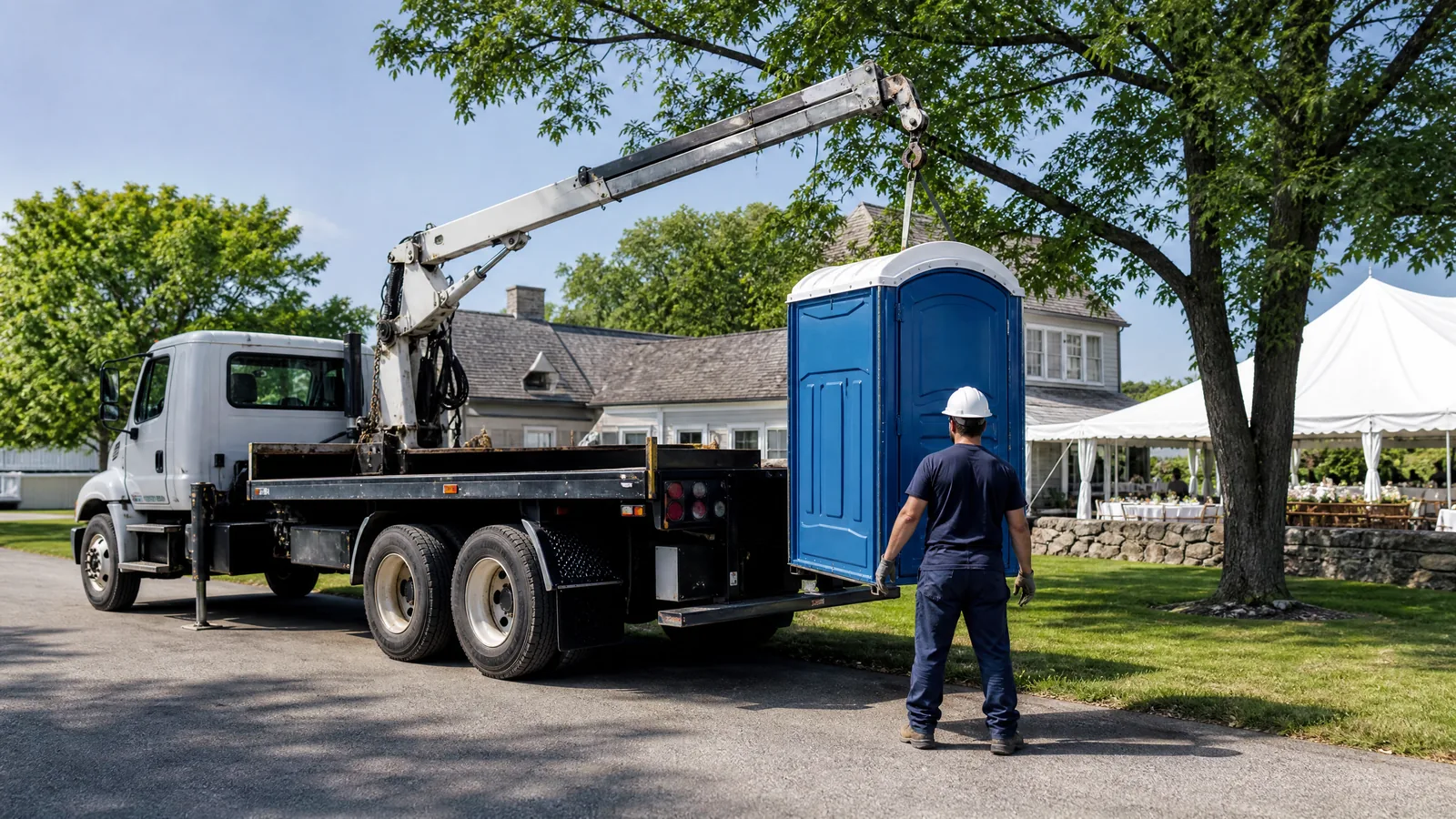
Choose a stable location with a practical path from the occupied part of the building or site. Keep the route away from debris, construction traffic, snow storage, standing water, and blocked doors. Consider lighting and privacy, especially for evening access or shared facilities.
Include hygiene and accessibility
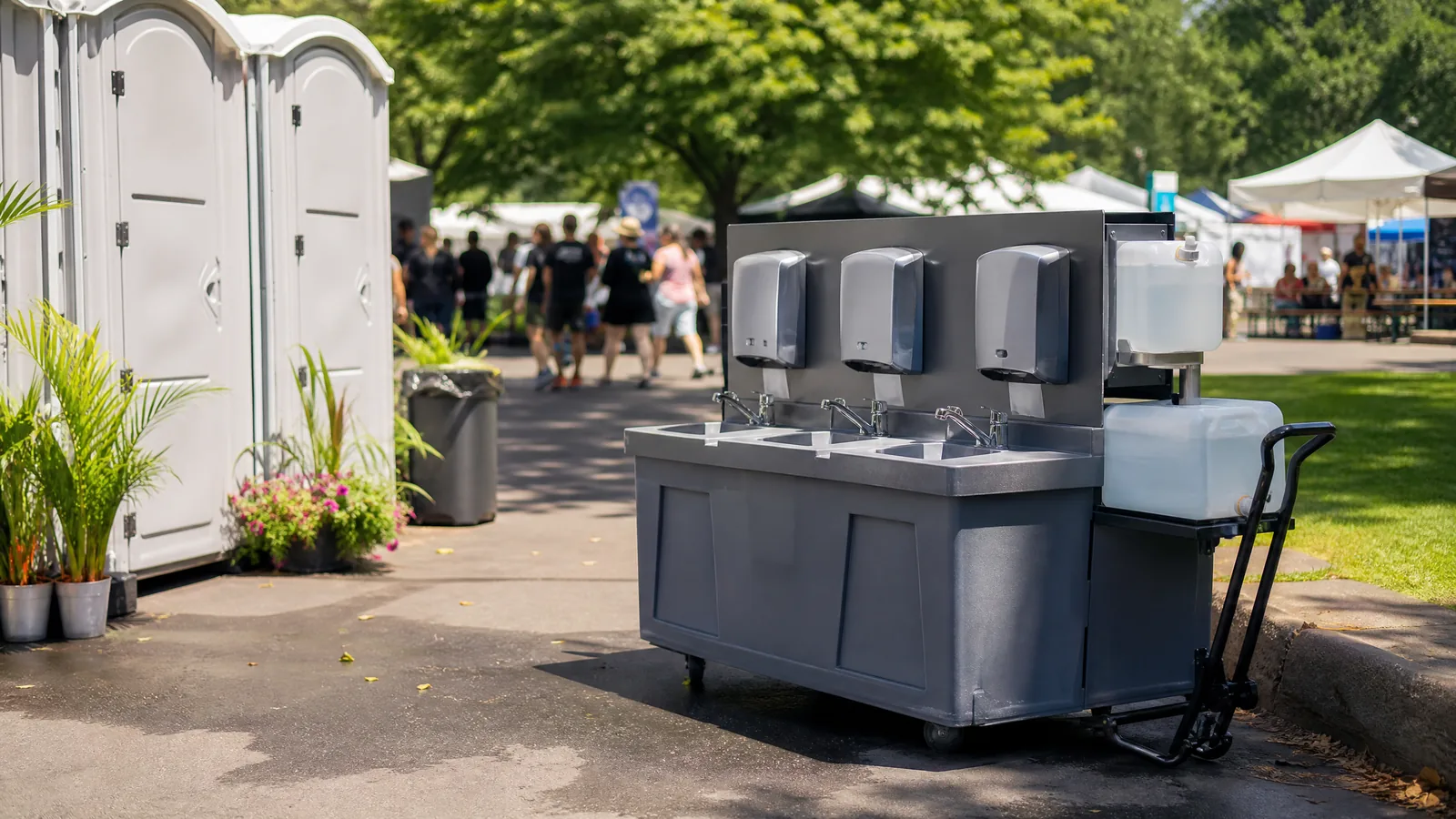
Handwashing may be an important part of continuity, particularly for workplaces, food-related settings, and public facilities. If users have mobility needs, plan the full accessible route and confirm applicable requirements with the property owner or responsible authority. Read accessible and handwashing planning for route considerations.
Recheck as work progresses
Renovation areas move. A temporary path may be replaced by a new wall, barrier, delivery route, or staging area. Review the setup whenever the project changes and keep the site contact informed. For longer disruptions, use the short- and long-term rental guide.
Emergency and renovation FAQs
What should I do first when a restroom becomes unavailable?
Confirm the affected area is safe, identify who needs temporary access, estimate the disruption duration, and select a location that can be reached without crossing hazards. Then coordinate the plan with the property owner, project lead, or facility authority.
Can a temporary restroom serve a business during repairs?
It can be considered as part of a business continuity plan. Evaluate user volume, operating hours, privacy, accessibility, handwashing, placement, and the changing work zone before finalizing the arrangement.